
Istanbul Travel Guide: History, Culture, and Unforgettable Experiences


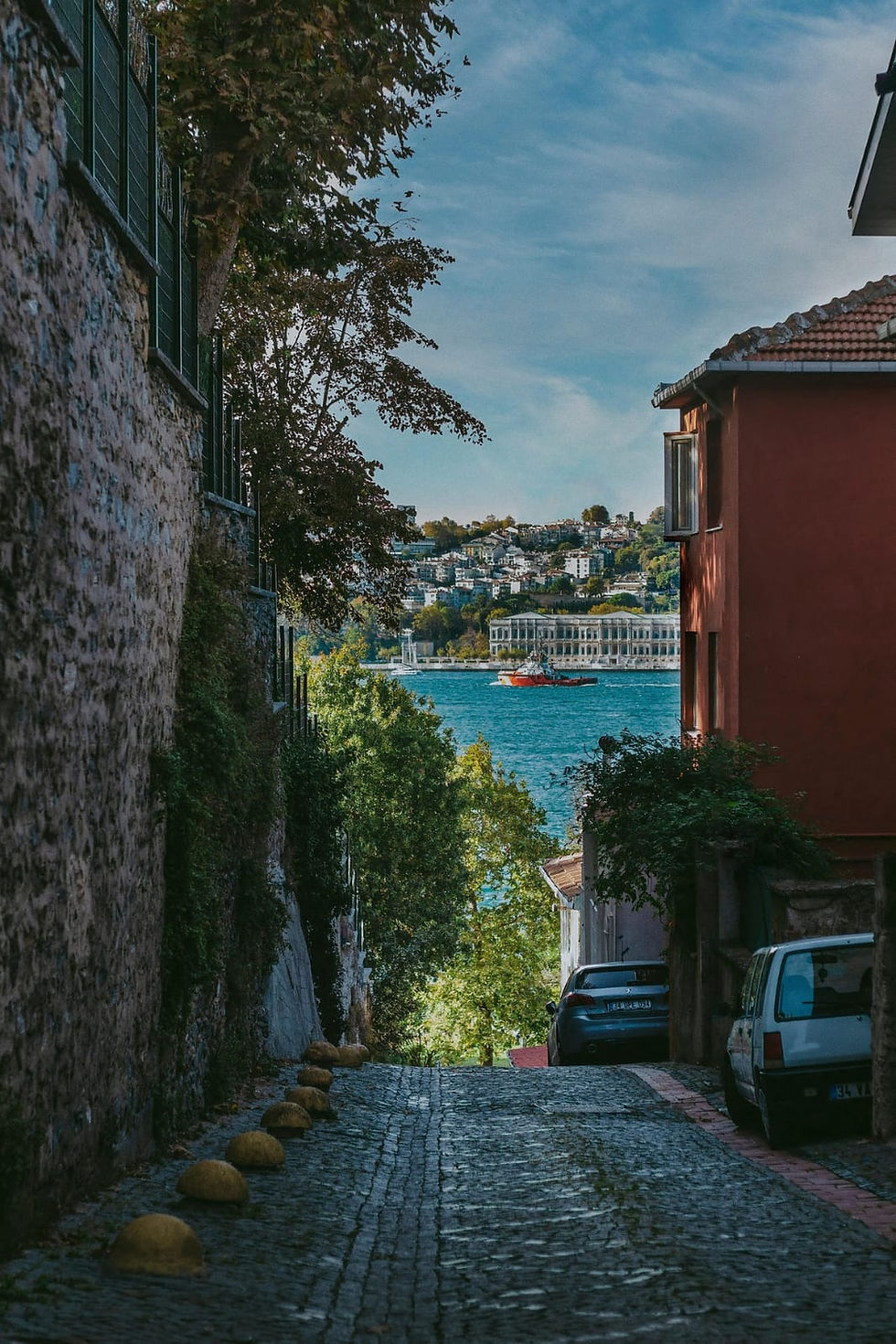
Welcome to Istanbul: Why Should You Visit?

Istanbul is the only city in the world that connects both Asia and Europe, and with its thousands of years of history, it is one of the most fascinating cities on Earth. Throughout its approximately 2,600-year history, it has been home to Greek, Roman, Byzantine, Ottoman, and modern Turkish civilizations. Every corner offers layers of history, culture, and accumulated civilization.
Historical Perspective
Greek and Roman Period (660 BC – 330 AD):
The city was founded as Byzantion by Greek settlers from Megara. Thanks to its strategic position overlooking the Bosphorus, it became a crucial center for trade, maritime transportation, and military control. During the Roman Empire, the city expanded, was fortified with strong walls, and became a vital bridge between East and West.

Byzantine Period (330 – 1453):
In 330 AD, Emperor Constantine I moved the capital of the Roman Empire here and declared the city “Constantinople.” This decision transformed Istanbul into one of the world’s most important political and religious centers. Massive churches and palaces were built, and the city was surrounded by formidable walls. Hagia Sophia became the most magnificent structure of this era. For over 1,000 years, the heart of the Eastern Roman (Byzantine) Empire beat here.

Ottoman Period (1453 – 1922):
On May 29, 1453, Sultan Mehmed II conquered the city after a 53-day siege. The Byzantine walls were extremely strong; the Ottoman army used massive cannons and innovative military strategies to enter the city. The conquest is considered a turning point in world history. Istanbul became the capital of the Ottoman Empire and was reshaped with mosques, madrasas, bazaars, baths, and palaces.

Modern Turkish Republic (1923 – Present):
After the proclamation of the Republic, the capital moved to Ankara, yet Istanbul remained the cultural and economic center. Today, the city preserves its historical texture while offering modern art galleries, bridges, skyscrapers, and a dynamic lifestyle that blends past and present.

Civilizations That Shaped Istanbul
Greek and Roman:
The city’s first urban plan, port structures, and defense systems date back to this era. Being at the crossroads of ancient trade routes made Istanbul an early global hub.
Byzantine:
Hagia Sophia, the Basilica Cistern, and the Hippodrome are not only architectural wonders but also symbols of religious and political power. This period shaped Istanbul’s identity as an imperial capital.
Ottoman:
From Topkapi Palace to the Grand Bazaar, the city was reshaped with Islamic architecture and Ottoman aesthetics. During this time, Istanbul became one of the most cosmopolitan cities in the world.
Modern Turkey:
The Bosphorus bridges, contemporary museums, and cultural centers demonstrate that Istanbul is a living, evolving city. Modernization continues without severing ties to its rich past.
Visiting Istanbul means discovering the layers of multiple civilizations within a single city.
Must-See Historical Landmarks
Hagia Sophia


History:
Built in 537 by Byzantine Emperor Justinian I. It served as a church for 916 years and as a mosque for 482 years. It became a museum in 1935 and today functions again as a mosque.
Why Is It So Important?
For centuries, it was one of the largest domed structures in the world. It holds symbolic value for both Christianity and Islam.
Experience:
As you step inside, the massive dome, golden mosaics, and historical layers feel like a journey through time.
Tip:
Visit early in the morning. Be respectful and quiet.
Topkapi Palace


For nearly 400 years, this palace was the residence of Ottoman sultans and the administrative center of the empire.
The Harem section reveals the private life of the royal family, while the Sacred Relics section holds immense religious significance. Walking through its courtyards, you feel the grandeur of the Ottoman era.
Sultanahmet Mosque (Blue Mosque)


Built in the 17th century, the mosque is famous for its six minarets and blue Iznik tiles decorating its interior.
The symmetry of the dome and the way light fills the space are breathtaking.
Visitors must cover shoulders and knees; scarves are provided at the entrance if needed.
Basilica Cistern


Built during the Byzantine period to supply water to the city.
With 336 columns, dim lighting, and water reflections, it creates a mystical atmosphere. The Medusa heads are among the most intriguing details.
“With the best price guarantee on flights.”
Cultural Experiences & Local Adventures
Grand Bazaar


Operating since the 15th century, it has over 4,000 shops.
You can find gold, carpets, ceramics, leather goods, and souvenirs.
Bargaining is part of the culture — stay polite and friendly.
Spice Bazaar


The scent of spices, colorful stalls, and Turkish delight varieties create a feast for the senses. Don’t leave without tasting Turkish tea and dried fruits.
Bosphorus Cruise


A boat tour along the Bosphorus — separating Europe and Asia — is one of the most romantic and impressive Istanbul experiences. You’ll see waterfront mansions, bridges, and palaces from a unique perspective. Sunset tours are especially stunning.
Galata Tower & Karakoy


Climb Galata Tower for a panoramic city view.
Karakoy represents modern Istanbul with its cafés, art galleries, and vibrant street atmosphere.

Istanbul Cuisine
Street Food & Breakfast
Simit and tea are classic ways to start the day. Börek, menemen, and traditional Turkish breakfast are rich and diverse. Breakfast here is a social ritual.
Fish Sandwich
At Eminönü waterfront, enjoy freshly grilled fish sandwiches while blending into local life and enjoying Bosphorus views.
Ottoman Cuisine
Kebabs, various mezes, baklava, and Turkish coffee are must-tries.
Choose restaurants with visible menu prices.
Credit cards are accepted in most restaurants, but carrying some cash is helpful for small vendors.
Hidden Gems & Discovery Spots
Balat & Fener
Colorful houses, narrow streets, and historic churches make these neighborhoods ideal for photography lovers. They offer a quieter, more local experience.


Camlica Hill & Pierre Loti Hill


They offer some of the most beautiful panoramic views of the city. Watching the sunset over Istanbul’s skyline is unforgettable.
Princes’ Islands
Especially Büyükada, where motor vehicles are not allowed. You can rent a bicycle, walk along the seaside, and enjoy a peaceful escape from the city.
Büyükada
Heybeliada
Burgazada
Kınalıada


Modern Art & Culture
Istanbul Modern and other galleries offer insight into contemporary Turkish art. Miniatürk and Istanbul Aquarium are great alternatives for families.
Transportation & Safe Travel - Istanbul Travel Guide
Transportation
With an Istanbulkart, you can use metro, tram, buses, and ferries.
Make sure the taxi meter is turned on before the ride starts.
Uber and BiTaksi apps offer transparent pricing and are safe alternatives.
Safety
Touristic areas are generally safe. However, keep an eye on your belongings in crowded places and be cautious of unofficial guiding offers.
Language
English is widely spoken in touristic areas. Still, simple words like “Merhaba” (Hello) and “Teşekkürler” (Thank you) help you connect with locals.
Best Time to Visit
Spring (April–June) and autumn (September–October) offer the best weather and fewer crowds.
Suggested Daily Plans
1-Day Quick Tour
Morning: Hagia Sophia & Blue Mosque
Afternoon: Grand Bazaar & Spice Bazaar
Evening: Bosphorus cruise & dinner in Karakoy
3-Day Detailed Tour
Day 1: Historic Peninsula
Day 2: Bosphorus, Galata, Balat
Day 3: Princes’ Islands & modern art spots
Experience Istanbul
Istanbul is not just a city to visit — it is a city to feel.
As you walk through the streets, you hear different languages; in some neighborhoods, the call to prayer and church bells may echo within the same area. On one side, modern cafés; on the other, 500-year-old stone walls.
Istanbul Travel Guide


Comments